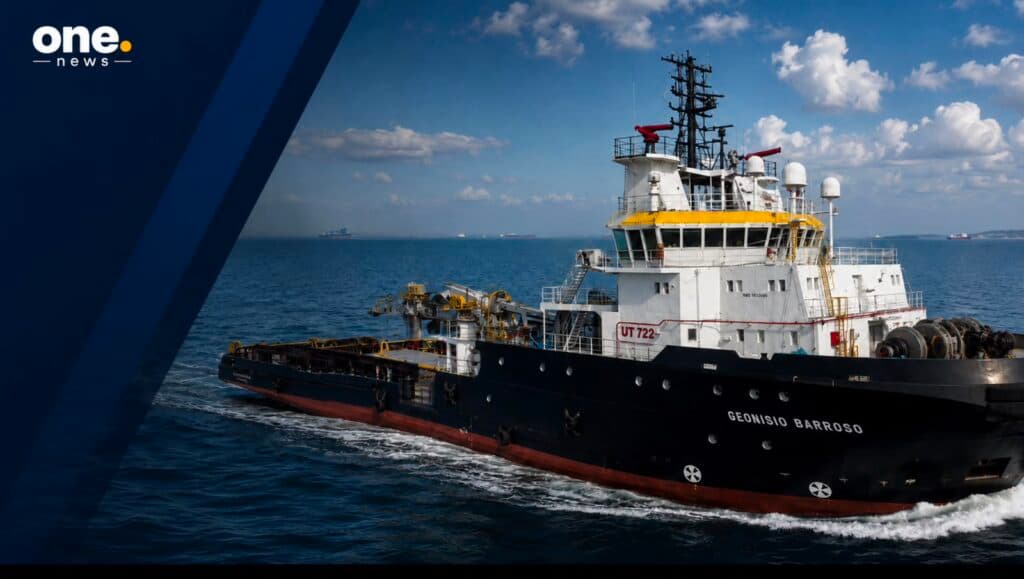
Petrobras suspends contracts for two AHTS vessels
Is Petrobras pioneering a new way to manage an aging offshore fleet?
Petrobras’ decision to suspend, rather than terminate or replace, the charter contracts of the AHTS Geonísio Barroso and Yvan Barretto may prove to be more than an isolated contractual arrangement. It could mark the beginning of a new approach to managing Brazil’s increasingly aging offshore support fleet.
Under the agreement, the Geonísio Barroso contract will be paused for 365 days and the Yvan Barretto contract for 240 days. Both contracts will be reinstated once the vessels return to service, with the respective suspended periods added to their remaining terms. For Petrobras, preserving long-term contracts at legacy day rates appears to outweigh the cost and uncertainty of finding replacement tonnage in today’s market.
That alone makes the case unusual. The length of the suspension makes it virtually unprecedented.
The two vessels are around 25 years old and operate under Tug Supply (TS) contracts, supporting crude oil offloading operations between FPSOs and shuttle tankers. While this is less demanding than traditional anchor handling, it is a safety-critical service where propulsion and positioning reliability are essential. Mechanical failures during offloading operations can carry significant operational and environmental consequences.
The prolonged downtime, officially attributed to delays in obtaining imported replacement parts, also illustrates a broader trend. As offshore fleets age, heavy maintenance becomes more frequent, repairs become more complex and vessel availability becomes less predictable.
For years, the offshore industry has debated the consequences of Brazil’s aging support fleet. Petrobras’ decision suggests the discussion has entered a new phase: instead of replacing older vessels when major failures occur, operators and charterers may increasingly seek ways to preserve strategically valuable contracts until those assets can return to service.
This may be remembered less as the suspension of two AHTS contracts than as the first clear indication that Brazil’s offshore market is beginning to adapt its commercial model to the realities of an aging fleet.
This article was produced by Westhon Media for One Energy News.