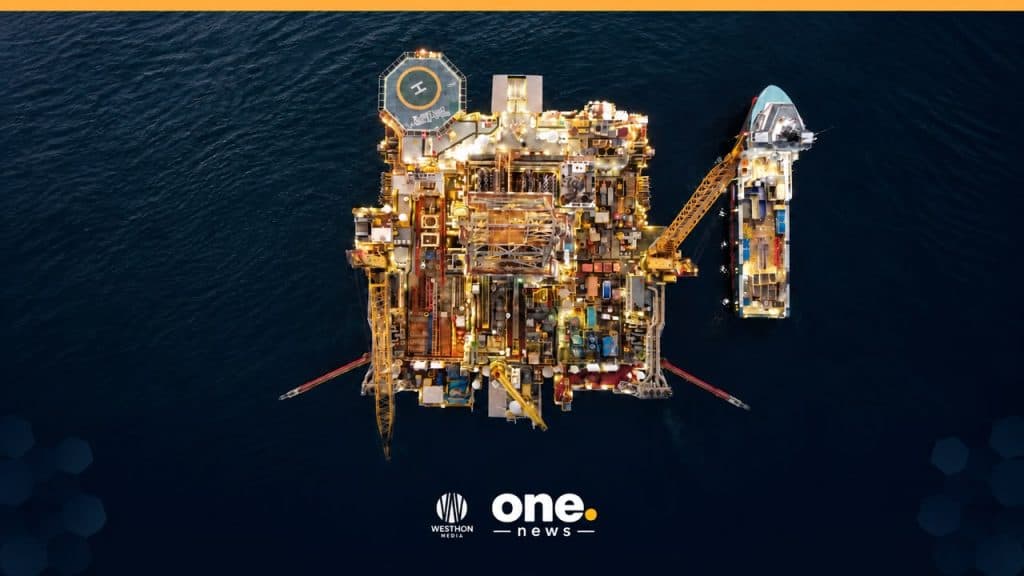
South America expands oil output as FPSO pipeline reaches 36 projects
South America continues to add oil production and offshore projects, led by developments in Brazil and Guyana, while Suriname moves toward first oil at GranMorgu and Argentina expands output from Vaca Muerta.
Rystad Energy expects projects in Argentina, Guyana and Brazil to add more than 700,000 barrels per day of oil production in 2026.
Brazil remains the largest producer in the region. According to ANP, the country produced 4.498 million barrels of oil per day in July, 13.6% above the same month last year. Offshore fields accounted for 98.1% of national oil production, while the pre-salt represented 82.4% of Brazil’s combined oil and gas output.
The project pipeline remains active. Petrobras plans eight new production systems between 2026 and 2030, seven of them already contracted.
In Guyana, production from the ExxonMobil-operated Stabroek Block reached 900,000 barrels per day in late 2025. ExxonMobil expects production capacity from eight developments to reach around 1.7 million barrels per day by 2030.
Suriname is also moving into a new development phase. TotalEnergies’ US$10.5 billion GranMorgu project will use an FPSO with capacity for 220,000 barrels per day, with first oil currently planned for 2028.
For the offshore industry, another number stands out.
Rystad counts 36 FPSO projects awarded or expected to be awarded in South America between 2021 and 2030, associated with approximately US$181 billion in field greenfield commitments. Fifteen FPSO awards are still expected through the end of the decade.
Across Latin America, deepwater investment is expected to reach around US$42 billion in 2026, 7.7% above the previous year.
The project pipeline is also affecting procurement schedules. According to Rystad, lead times for some critical equipment, including gas turbines and compressors, have increased from around 12 months to as much as 60 months in certain cases.
The regional pipeline involves FPSO construction and integration, subsea systems, vessels, engineering and long-lead equipment.
How much of this activity will translate into additional fabrication and service demand in Brazil? And how will the offshore supply chain respond as these projects move forward?
This article was produced by Westhon Media for One Energy News.