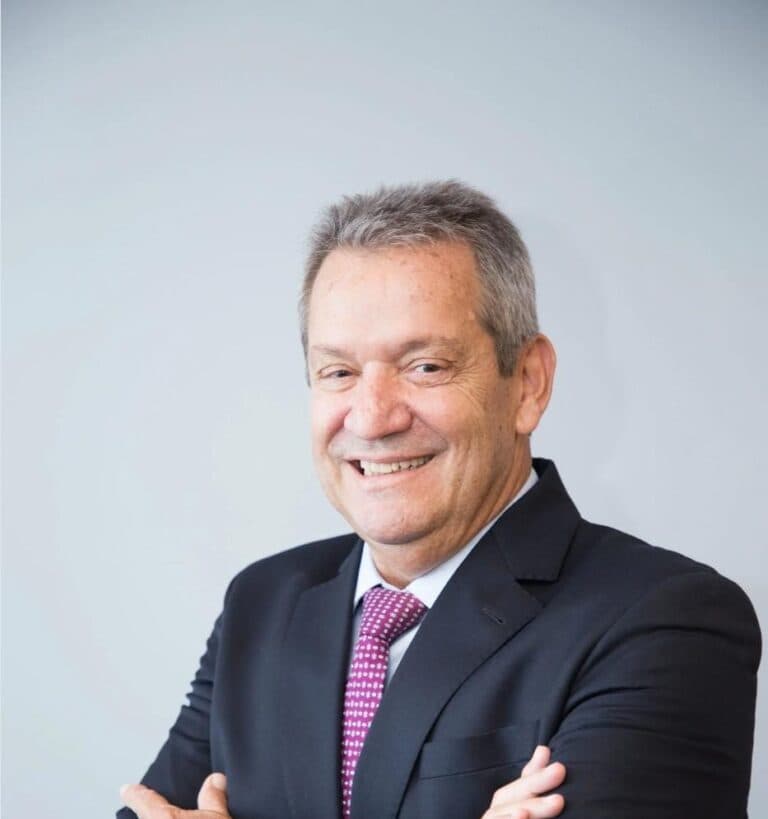
Energy Talks #16 – Ronaldo Lima
In this edition of the Energy Talks section of One.Energy magazine, we spoke with Ronaldo Lima, Senior Advisor at WSB Advisors, a professional with more than four decades of experience in the naval and offshore sectors. Throughout the interview, Ronaldo shares his journey — from his early steps in civil engineering to his leadership roles in major companies such as CBO and Astromarítima. He discusses the challenges and advances in the industry, the importance of Law 9.432/97, the role of innovation in Brazilian shipyards, and his perspectives on the future of energy in the country.
Ronaldo, each interview usually has a specific focus. In the previous edition, for example, we talked a lot about mental health in the workplace. In this one, we want to pay tribute to you. But beyond that, you have an impressive resumé. Tell us about the beginning of your career.
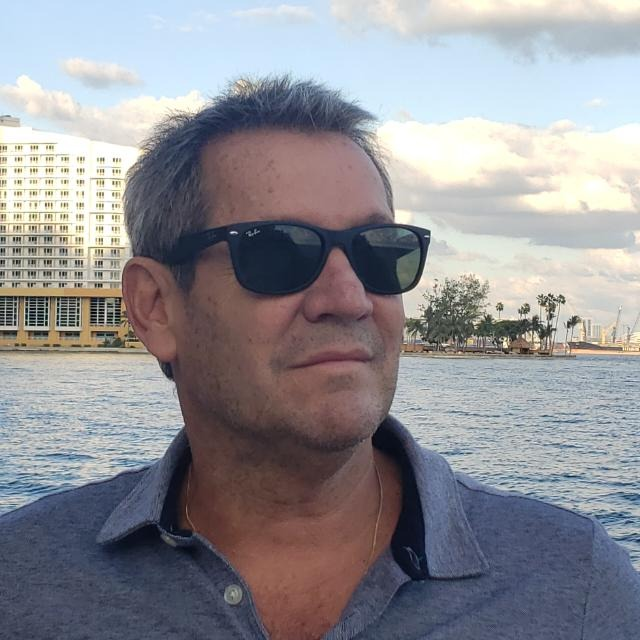
I was born and raised in Rio de Janeiro. I graduated in Civil Engineering in 1981 from Universidade Santa Úrsula. My father and older brother were both civil engineers. I was inspired by them, just as my son, João Pedro, was inspired by me. Civil engineering gave me a broad vision of the world.
I had two internships: in the first, I took part in the construction of the Barramares condominium, a traditional and well-known development in the Barra da Tijuca neighborhood. The second was at Esusa Engenharia, where I worked in the budgeting area of construction projects.
When I graduated, the engineering job market was weak, so I started working in the commercial department at SulAmérica Seguros, where I learned a lot about the industry.
And after SulAmérica, what was the next step in your career?
Five years later, I was invited to join the financial team of the Mac Laren shipyard, in Niterói, with the opportunity to pursue an MBA in the United States. I chose Nova Southeastern University in Florida in 1986.
The program lasted a year and a half, and I returned to Brazil in 1987 to face major challenges at the Mac Laren Group, particularly amid constant changes in economic policies (currency and inflation), which led the company to file for judicial reorganization. Fortunately, the company recovered and regained prominence in Brazil’s shipbuilding industry.
And what were your next steps after leaving the Mac Laren Group?
In 1991, I took over as President of AstroMarítima, appointed by founder William Mac Laren, during a period of significant growth. I spent 16 years at the company, taking on my biggest challenge at that time — becoming CEO at age 33.
I gained valuable experience working with Petrobras, learning a lot from complex negotiations, especially in chartering contracts. I also participated in the implementation of Law 9.432/97, which prioritizes the hiring of vessels under the Brazilian flag. This law boosted the growth of the maritime and offshore support sectors in the country, attracting companies such as the American Edison Chouest, the Norwegian DOF, and the Chilean Starnav, among others. It was a challenging process, involving multiple players, but extremely important for the country.
I remember a funny situation involving a colleague from the industry who gave a presentation showing the pros and cons of building in Brazil. Someone asked him, “But the ‘cons’ side is blank.” That was the joke — there were no cons (laughs). Today, the Brazilian-flagged fleet is much larger than the foreign-flagged fleet.
In 2006, I joined CBO (Companhia Brasileira de Offshore), where I remained for 15 years and contributed to the company’s growth, including fleet expansion and sector strengthening.
Tell us about your experience and achievements at CBO.
When I joined the company, it was still small and part of the Fischer Group, whose main assets included Citrosuco, a company renowned for its orange juice production. The group also owned Aliança Navegação. At that time, CBO was seen as the “ugly duckling” among these major ventures.
I had the opportunity to be part of very important moments, such as the peak of Estaleiro Aliança. This shipyard was acquired by CBO in 2004, still under the name EBIN, and later remodeled. From then on, it began building essential assets for the company, including several PSVs and AHTSs.
Today, CBO’s fleet has about 45 vessels, which shows the company’s tremendous growth in recent years. I’m very proud to have contributed to this expansion process. I also highlight the importance of FMM (Merchant Marine Fund) resources and the Fischer Group’s support in helping the company grow.
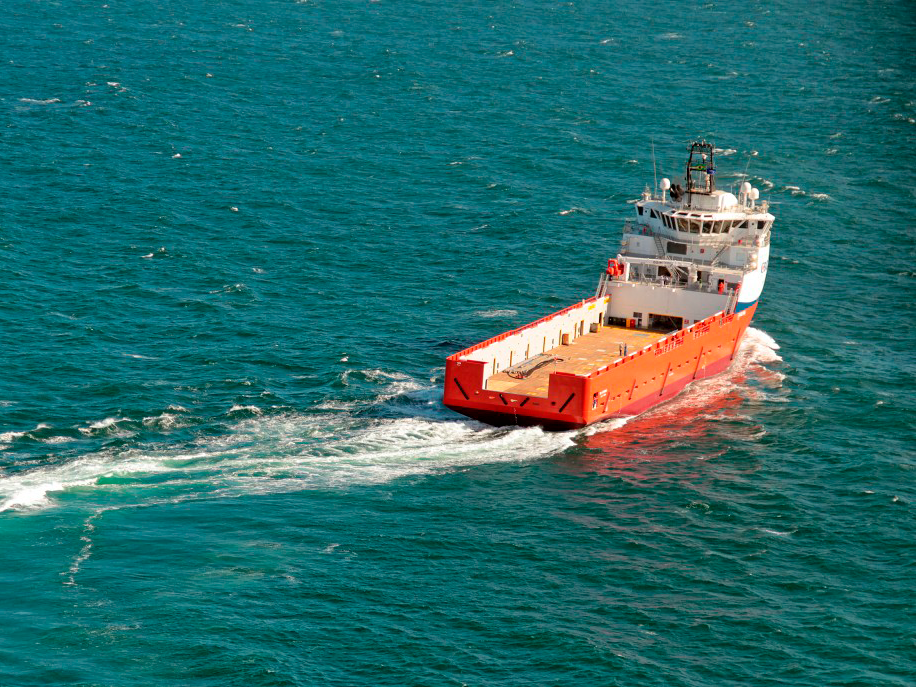
Speaking of shipyards, is Brazil ready for a new construction boom?
Yes. The workforce for shipbuilding can be trained relatively quickly — in about a year — and today we already have the technology and solutions to minimize delays and ensure on-time delivery, even in complex projects. The main hub is in shipyards located in Santa Catarina, but the country is fully capable of expanding the construction of small, medium, and large vessels as well as platforms.
And how has your work at WSB Advisors been so far?
In 2023, I was invited by Alexandre Vilela, CEO of WSB, to join the company. I coordinate projects that involve multiple areas, such as brokerage, finance, commercial, and engineering. I also represent the company at key industry events, such as OTC (Brazil and Houston) and Navalshore, drawing on my background with ABEAM.
And how was your role at ABEAM and Syndarma?
I led ABEAM and Syndarma for 20 years — organizations that are now practically integrated. My role was to defend the interests of Brazilian companies, foster dialogue with institutions, and ensure the strengthening of the national maritime sector. Even after stepping down as president in 2018, I remain active and maintain many important contacts in these associations.
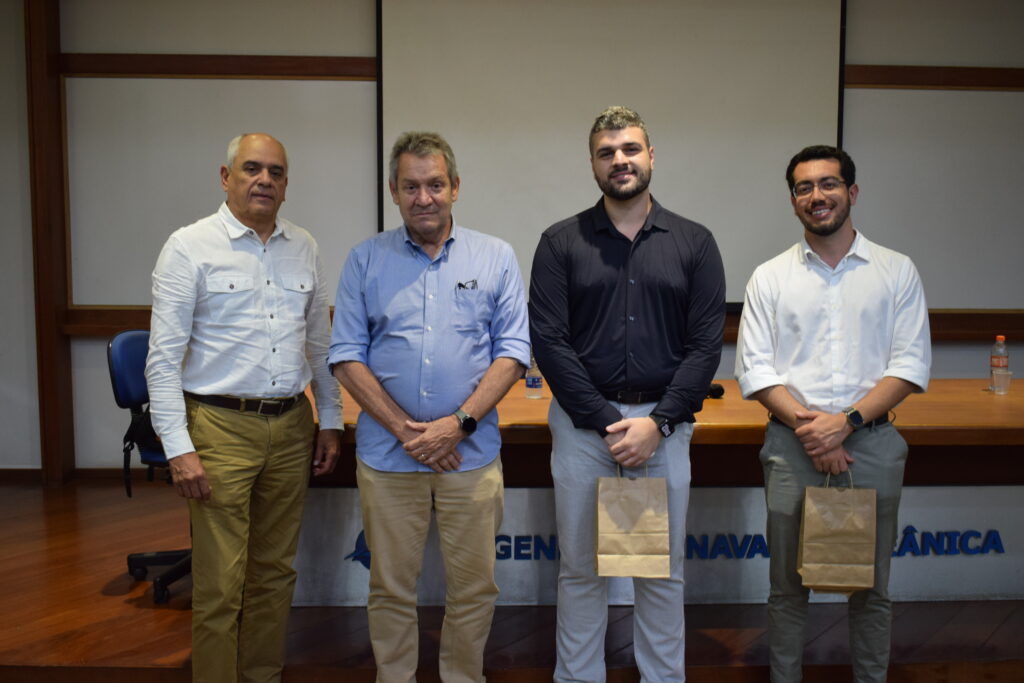
Recently, WSB took part in a special lecture at UFRJ. How was that experience?
It was a very rewarding experience. We spoke with students from the Naval and Ocean Engineering programs about the market and career opportunities in the sector. We wanted to show them that the field goes beyond structural calculations and design — it also encompasses commercial and financial areas.
I shared my career story, showing how engineers can successfully transition into commercial and strategic roles. It’s important for young people to understand that there’s room for different profiles and that the maritime sector remains a fertile ground for those eager to learn.
What reflections do you take from these events?
I believe all these events have shown a strong attraction to the industry, bringing new players into the market.
And what changes have you observed in the market over your 40 years of experience?
The maritime sector has grown tremendously, with more sophisticated vessels and advanced technologies. There is significant technological development underway — both in vessels and in oil exploration operations. The integration between companies and the defense of national interests, as highlighted in Law 9.432/97, have been fundamental to strengthening the industry.
And how do you see the future of the energy sector in Brazil?
I believe oil exploration will remain predominant in the country at least until 2050. There are discussions about alternative energies, however the infrastructure and logistics are not yet mature enough to replace oil.
For example: how many gas stations charge electric cars? How many companies supply solar panels? How many homes are ready to adopt this kind of energy? That’s why the naval and offshore sectors will continue to grow and bring new technologies, ensuring economic development and job creation in Brazil for decades to come. The growth is ongoing and far from over — especially now, with the beginning of exploration in Brazil’s Equatorial Margin.
Thanks a lot, Ronaldo! It was a remarkable and unforgettable talk.
This article was produced by Westhon Media for One Energy News.