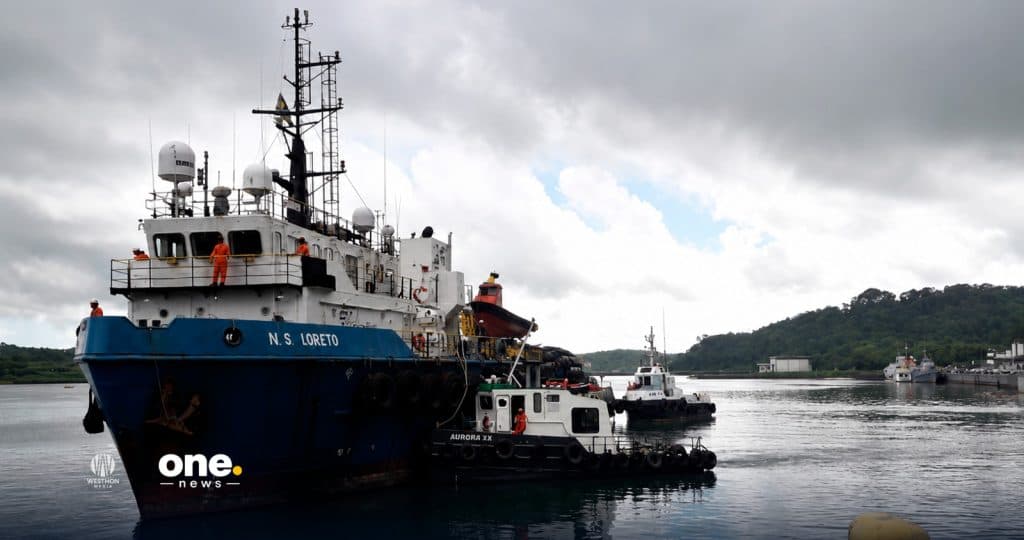
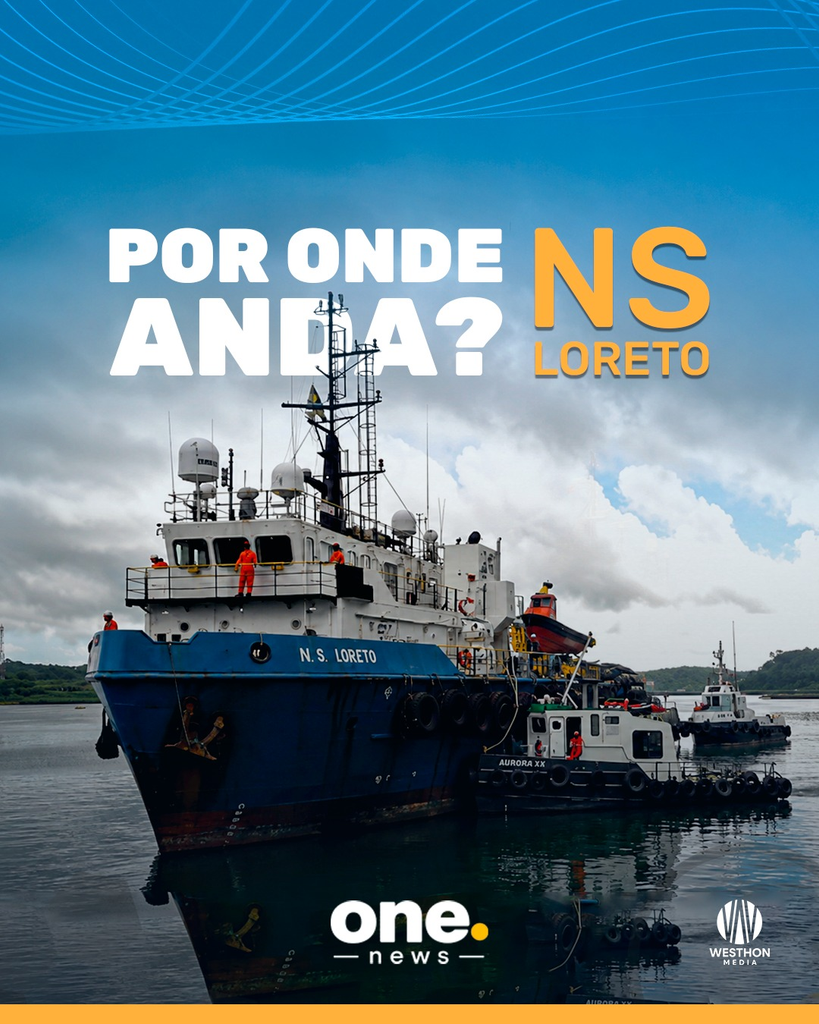
Por onde anda? NS Loreto
Automatically generated translation; may contain errors.
Por Onde Anda? At 44, former NS Loreto may be preparing for a return to STS
A vessel built in Niterói 44 years ago is back on the Brazilian offshore market’s radar.
Ilha de Tinharé, the former NS Loreto, spent the past months without a contract before OceanPact decided to sell the vessel. According to market sources heard by One Energy News, it has now been acquired by Uruguay-based Meina Offshore Services and is being prepared for a new ship-to-ship operation.
The transaction is notable not simply because of the vessel’s age. STS is not a new assignment for Loreto. It is the activity that gave the former PSV a second operational life more than a decade ago.
Built in 1982 by Mac Laren in Niterói, Nossa Senhora do Loreto belonged to the generation of vessels that accompanied the development of Brazil’s privately owned offshore support fleet.
The vessel later became part of Delba Marítima, which eventually came under the full control of Bourbon, and operated through different cycles of the Brazilian offshore market.
Its most important transformation came in 2013, when NS Loreto was modified for lightering operations. AET later identified it as the first dedicated Lightering Support Vessel, or LSV, placed in service in Brazil.
The conversion gave an already ageing PSV a new and specialised role. Loreto began supporting ship-to-ship transfers, including the handling and positioning of Yokohama fenders and hoses used during offshore cargo operations.
By April 2014, that transition was already visible in the vessel’s employment.
OceanPact had lost the bid for the OGpar OSRV contract, which was subsequently awarded to Astromarítima with Astro Vermelho. With NS Loreto no longer employed in that operation, the vessel was released to begin STS work for AET.
OceanPact therefore continued operating Loreto in its new role years before eventually becoming its owner.
The formal transfer from Bourbon Offshore Marítima took place in September 2019. Loreto was subsequently renamed Ilha de Tinharé and continued to operate in environmental response and STS-related activities.
A decade after its conversion, the vessel remained active in that market. In 2023, the Brazilian Navy described it as an STS support vessel used to install Yokohama fenders between merchant ships during offshore oil transfers. That same year, at around 40 years of age, it entered drydock at the Aratu Naval Base for maintenance.
The situation changed at the end of 2025.
This article was produced by Westhon Media for One Energy News.