
Diógenes, the Cynic
In the Capital, even the potatoes have a lawyer
Automatically generated translation; may contain errors.
They once called me a dog to insult me. It did not work. After getting to know certain company, I came to regard the title as a distinction.
That was on my mind when I returned to Rio de Janeiro with my lamp. Someone told me the city was no longer the capital.
“It still is,” someone else replied. “Depends which one you mean.”
I thought it prudent to keep the lamp lit.
In this story of mine, Rubião and I share something: Greek origins. The rest set us apart. He still expected much of his countrymen. I had learned to observe them first.
Rubião brought experience, hard work and the confidence of someone who believes that building something together also means having a place in what has been built.
He had not come looking for an abandoned potato field. He knew how to plant.
Perhaps that was his first mistake: assuming that, in a partnership, everyone recognises the difference between knowing the land and knowing the man with the money.
In the capital, he was introduced to Captain Palha.
Our Palha possessed a quality much admired in drawing rooms: he knew where to sit. Not necessarily beside whoever understood the business. Beside whoever was paying for dinner. As for the title of captain, he liked hearing it before his name.
He was a man whose convictions enjoyed good company. Before expressing them, he checked who was in the room.
His importance depended on someone more important, against whom he leaned with admirable dedication. He spoke of other people’s money with the familiarity of someone who had earned it. The powerful man’s name entered conversations like a borrowed title of nobility.
I brought my lamp closer. I wanted to meet the man behind all that importance.
Rubião, meanwhile, worked. And work has this inconvenience: while one man is busy doing it, others have time to explain who deserves the credit.
When the field began to yield, new interpretations emerged about who had planted it.
That was when Sofia appeared.
In this version, Sofia did not need to be anyone’s wife. Certain alliances require no marriage. Compatible interests and someone willing to pay the fees for harmony will do.
Her seduction lay in language. She could dress an expedient argument in words so finely tailored that it entered the room looking like a principle. Sofia was a poet of the law.
Where Rubião recalled a conversation, Sofia requested a formality. Where there was a history of work, she found an alternative interpretation. The trust with which they had welcomed him now seemed to have been an indiscretion entirely his own.
“But that is how we worked,” said the Greek.
“We need to examine the context,” Sofia replied, in this little comedy of mine.
That seemed reasonable. I raised my lamp to illuminate the whole context.
They preferred an excerpt.
I then recalled Quincas Borba’s Humanitism, which explains the struggle for survival through two starving tribes and a field of potatoes. The harvest would feed only one. The victor would take everything.
“To the victor, the potatoes.”
In the capital, they had perfected the system. One tribe planted; the other disputed ownership of the harvest. Hunger could wait. The fees, apparently, had a schedule.
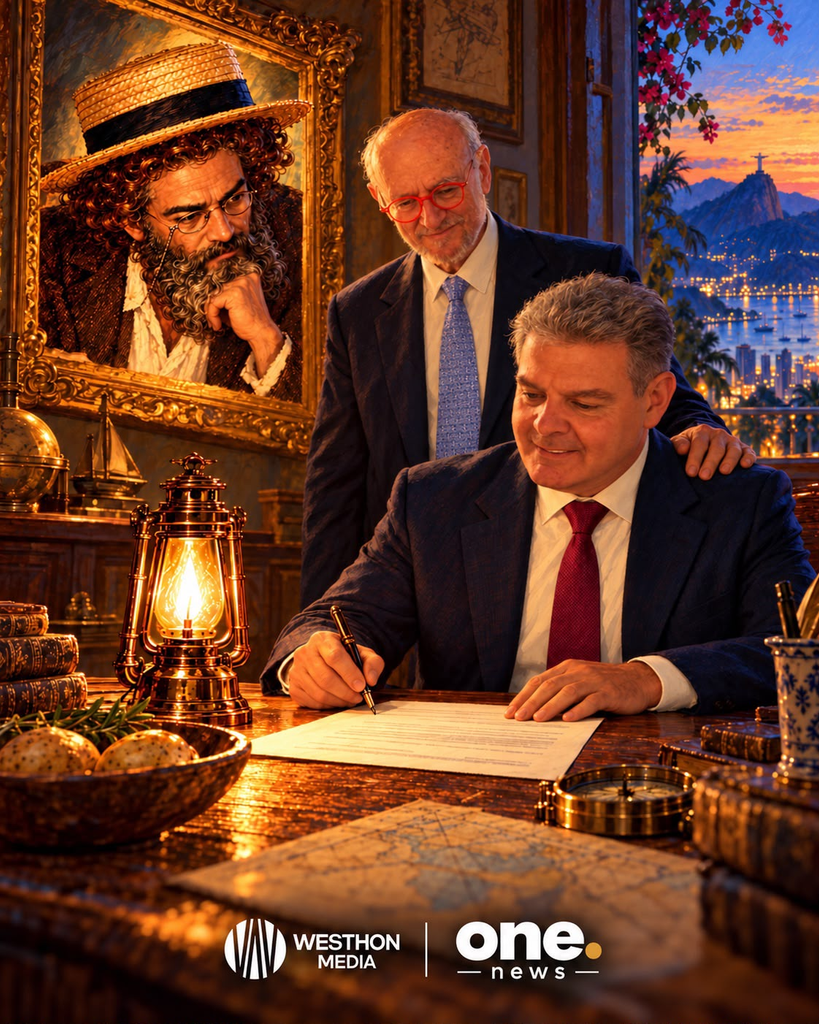
It did not strike me as a new philosophy. It struck me as an old appetite with an updated vocabulary.
Rubião looked for the friend with whom he believed he had begun that story. He found representatives, different accounts, doors that had once been open.
The friend had become almost a myth. A memory to which the Greek still attributed a consistency he could no longer find in the replies.
It is difficult to argue with the image we hold of someone. It knows our hopes and tends to answer in the voice we wish to hear.
And me?
I was the dog.
Here I ask Machado’s permission to bring the two Quincases together: the one who thinks and the one who stays. The philosopher doubted the explanation. The animal recognised his friend.
I saw no need to choose.
Palha might have considered that a failure of calculation. Sofia, an inconvenience. A dog who has watched events unfold may remember who came in, who went out, and who called Rubião indispensable before deciding his presence could be dispensed with.
Besides, I had my lamp.
A dog with a memory already unsettles certain dinner parties. With his own lighting, he becomes a logistical problem.
I do not say Rubião should have been less generous. I say it would have helped to look a little longer at the hands reaching towards him.
Some wanted to greet him. Others were already calculating what they could take.
But the gentlemen at the table ought to look more closely at their companions, too. Anyone who stays only while the money keeps coming offers loyalty with an expiry date. One payment problem is enough to send those steadfast convictions looking for another address.
It is said that I was once asked which animal had the most dangerous bite. Among the tame, I named the flatterer. I have had centuries to reconsider. In that room, I found no reason to.
I left them to their discussion of the potatoes. I sat beside the Greek, with the lamp between us.
Across the room, Palha was checking who would pay the next bill.
Which of us was wearing the collar?
This article was produced by Westhon Media for One Energy News.