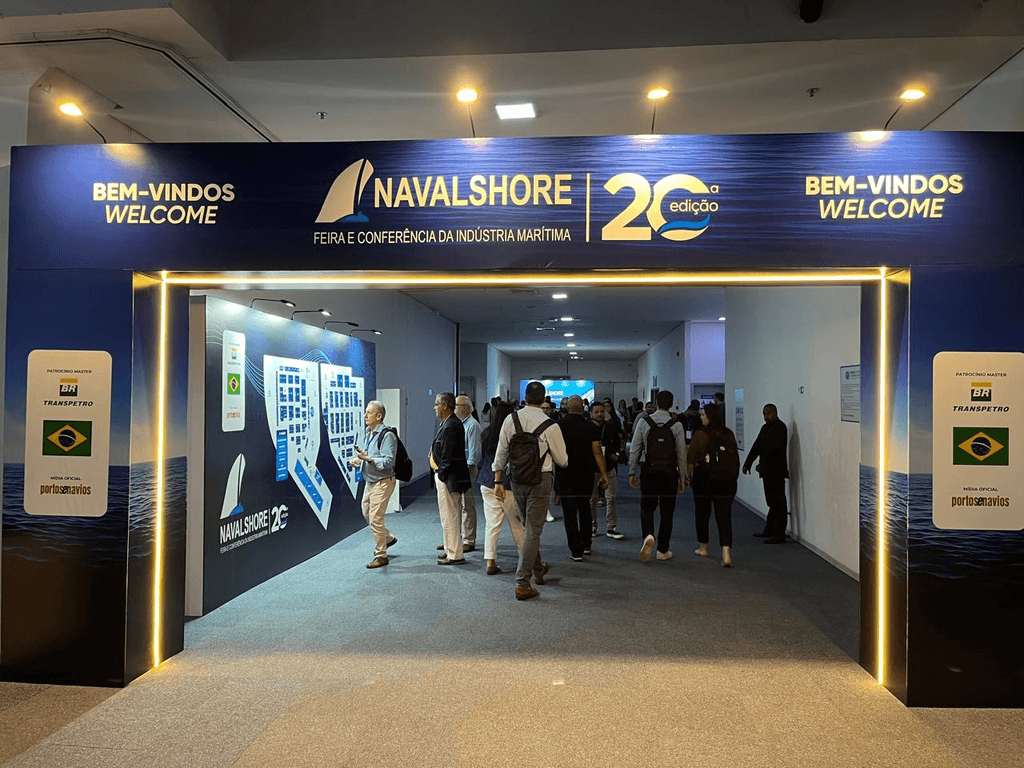
Navalshore 2026 in details
Automatically generated translation; may contain errors.
Largest edition of the trade show attracts around 20,000 visitors and puts the recovery of Brazil’s shipbuilding industry at the center of discussions
Navalshore 2026 reinforced the current recovery of Brazil’s shipbuilding industry. In its 20th edition, the largest in the event’s history, the trade show welcomed approximately 20,000 visitors and brought together 170 exhibitors and 700 brands across 4,200 square meters at ExpoMag, in central Rio de Janeiro. The occupied area grew 13.5% compared with the previous year. Over the three-day event, organizers estimated around R$12 billion in business generation.
The activity recorded during the trade show also highlighted Rio de Janeiro’s strength in the shipbuilding sector. According to data presented by Firjan at Navalshore, the state is home to 82% of offshore platforms in operation, 48% of Brazil’s shipyards and 36.5% of the 181,000 jobs linked to naval activities across the country.
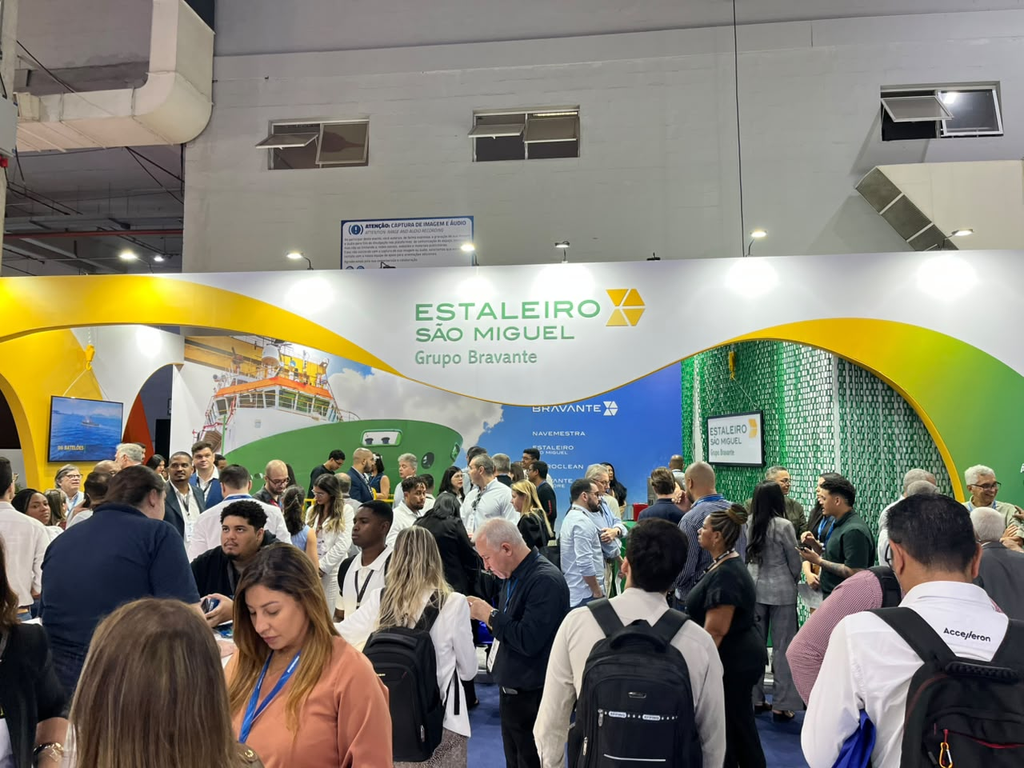
The program featured 36 talks on strategic topics for the industry. On the final day, fleet decarbonization and climate change were among the main topics. Discussions addressed the reduction of emissions from maritime operations, the impact of extreme weather events on shipping and port systems, as well as the challenges involved in adapting infrastructure.
Spotlight on Transpetro
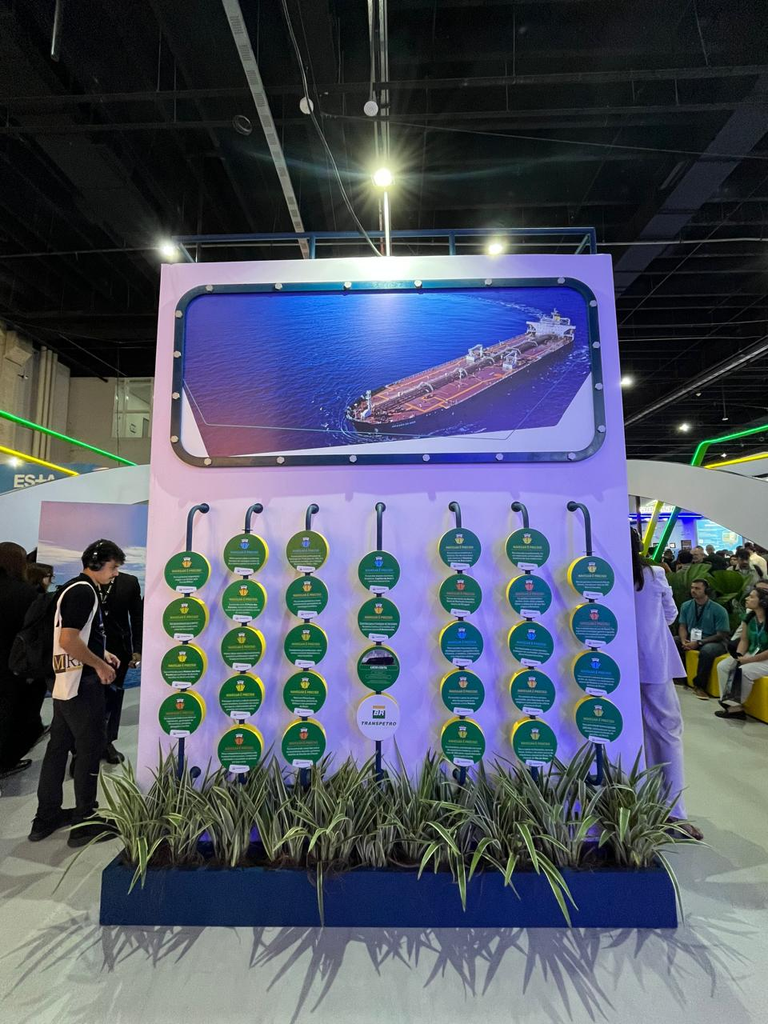
The event’s master sponsor was present at different moments throughout the program. The company maintained the trade show’s busiest booth, featuring “silent” talks (with headphones and no surrounding noise) and interactive activities about Transpetro’s past and present. Around 3,000 people visited the company’s space over the three days.
“From the silent talks to the simulator, including the Transpetro Routes game, digital channels and relationship-building activities, we sought to offer experiences that would translate the company’s values, strategy and operations into practical and engaging formats,” says Lílian Rossetto, Transpetro’s General Manager of Corporate Communications.
At another point, Transpetro announced that, in 2027, it will expand its ship-to-ship transfer service from operations between anchored vessels to the “Ship to Ship Navegando” model, which involves transferring cargo between vessels while they are underway.
“Transpetro is prepared to serve the market as a whole, offering solutions tailored to each customer,” says Adriana Andrade, Transpetro’s Executive Manager of Logistics Integration.
Sergio Bacci, Transpetro’s president, also commented on another project currently being developed by the company: an investment of approximately R$630 million to expand into inland navigation, involving operations in sheltered waters such as rivers, lakes, canals, bays and lagoons.
“This is another logistics service that Transpetro will offer to its customers. Our strategy is to become increasingly multimodal, which is essential to serving customers in a country of continental dimensions such as Brazil,” the executive says.
Transpetro’s activity took place amid a broader agenda of growing demand for vessels in Brazil. During Navalshore, Firjan also presented the seventh edition of the Naval Outlook in Rio de Janeiro. The study estimates that Petrobras’ Mar Aberto program could generate demand for 96 new vessels by 2032.
Chinese participation
While Brazilian companies expand projects and discuss execution capacity, the trade show also revealed growing foreign interest in the Brazilian market. The most significant movement came from China. The number of Chinese companies participating in the event rose from four in 2025 to 19 in 2026, representing an increase of nearly 400%.
“As vessel orders resume, the supply chain is strengthened, offering innovative products and solutions that meet sustainability standards,” says Rosângela Vieira, Navalshore’s director.
Navalshore 2026 in numbers
– 170 exhibitors
– 20.000 visitors
– 700 brands
– 4.200 m²
– 19 Chinese companies
– R$12 billion in business
This article was produced by Westhon Media for One Energy News.