Opinion
Maritime employment in Brazil requires effective protection
Also available in Portuguese
Projeto amplia a participação brasileira nas tripulações e estabelece limite de 120 dias para aquisição do direito ao desembarque ou à repatriação.Read in Portuguese →Proposed legislation would increase Brazilian participation in vessel crews and establish a 120-day ceiling for entitlement to disembarkation or repatriation.
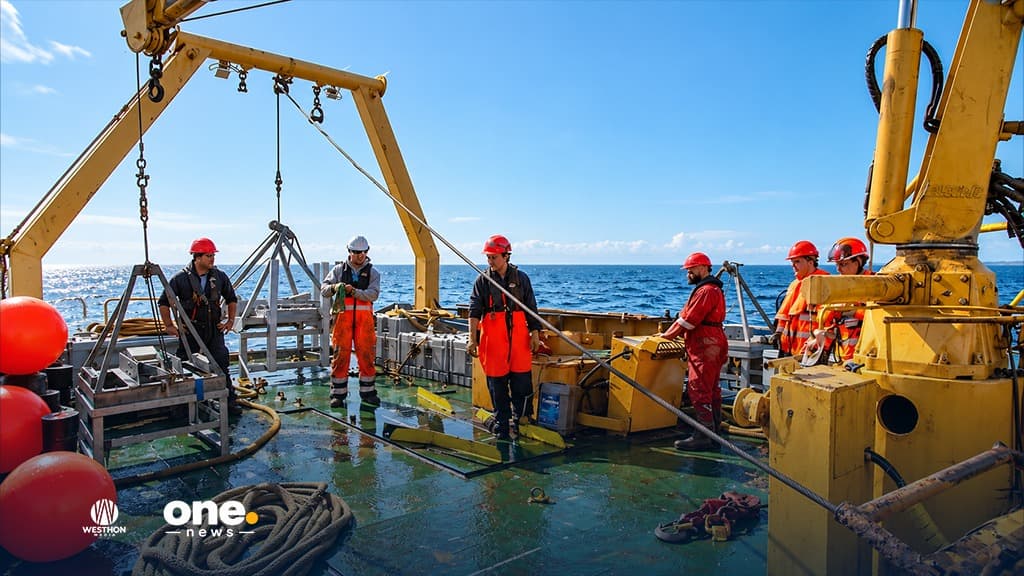
Brazil must ensure that the expansion of its maritime industry does not come at the expense of working conditions, through excessive periods on board or the abandonment of seafarers. Protecting Brazilian employment must go hand in hand with ensuring dignified treatment for everyone working in our waters.
Bill No. 5,411/2026, introduced by Congresswoman Jandira Feghali, brings these issues into focus. Among its provisions, particular attention should be given to the proposed maximum of 120 days of continuous service on board before seafarers become entitled to disembarkation or repatriation. This would apply to both Brazilian-flagged ships and foreign-flagged vessels authorised to operate in Brazil. The proposal has not yet become law.
This protection would extend to offshore support, coastal shipping, port support and dredging. For foreign seafarers, far from their families and dependent on their employers to arrange their return, an enforceable right to leave the vessel is particularly important. Access to the Brazilian market must carry responsibility for proper working conditions and for the disembarkation and return of those employed on board.
The Maritime Labour Convention requires the maximum period of service on board giving rise to entitlement to repatriation to be less than 12 months. The bill would establish a shorter national ceiling. It would neither authorise the extension of existing shorter rotations nor restrict a foreign worker’s immigration permission to 120 days. Its purpose is to protect seafarers against prolonged continuous service on board.
Another significant change is the requirement for Brazilian nationals to account for at least 75% of the crew on foreign-flagged vessels operating in Brazilian waters for more than 180 days, continuously or cumulatively, within a 12-month period. The proportion would apply by department and rank.
Current offshore support rules require one-third Brazilian personnel from 90 days of operation, one-half from 180 days and two-thirds from 360 days. The proposal would increase that share and count separate periods of operation within an annual window. Intermediate quotas during the first year would be established through implementing regulations.
The bill would also require public authorisation for seafarer recruitment and placement agencies, together with financial guarantees covering employment obligations and repatriation costs, supplementary to the vessel’s insurance. Depending on the infringement, sanctions could include warnings, fines, vessel detention and prohibition from operating in Brazilian waters. These safeguards must work before a worker’s vulnerability turns into abandonment.
The legislative process should clarify transitional arrangements, enforcement responsibilities and the application of quotas across different operations. The underlying principle, however, deserves support: operating in Brazil must mean accepting responsibilities towards the country and towards those working on board. Growth must create skilled employment and ensure that no seafarer is left without decent working conditions or the means to return home.
Trabalho marítimo no Brasil exige proteção efetiva
This article was produced by Westhon Media for One Energy News.