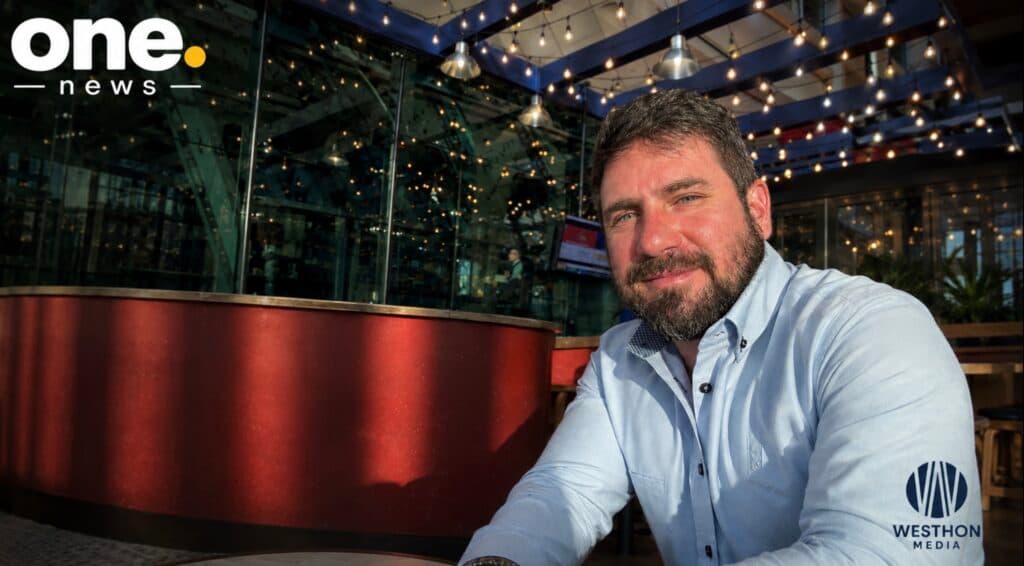
Energy Talks – José Eduardo Leal
Automatically generated translation; may contain errors.
By Rafael Bortoloti and Romulo Bacchiega
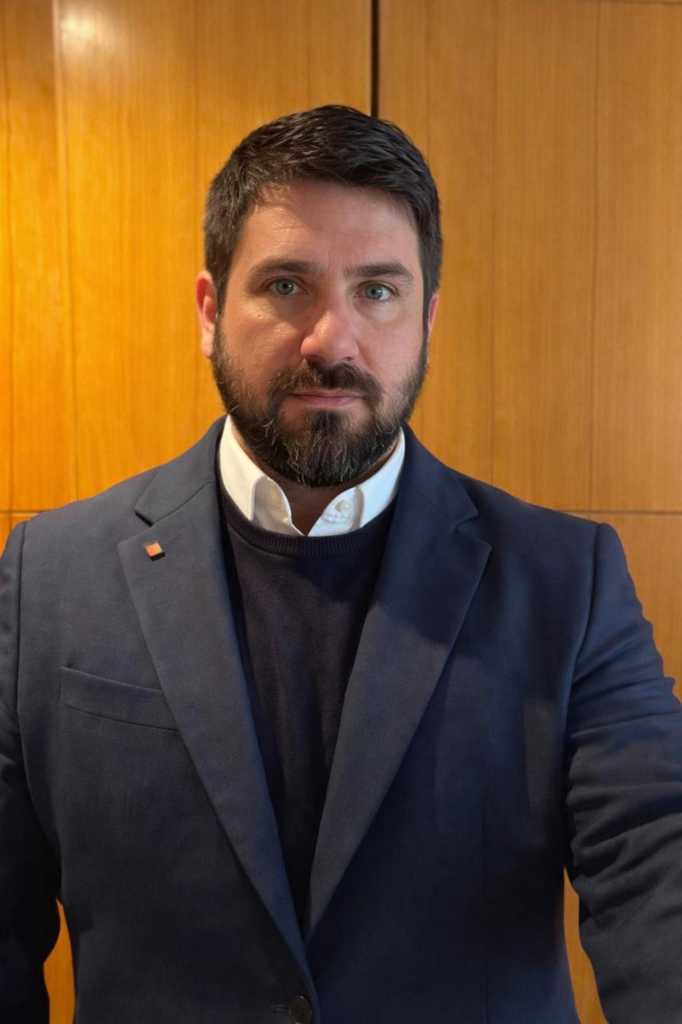
In this edition of Energy Talks, we sat down with José Eduardo Leal, a computer engineer graduate of PUC-Campinas, who is currently working as a Senior Sales Manager with the global marine technology company, Kongsberg Maritime (KM).
We began the conversation by exploring the role of technology and artificial intelligence in marine operations, and it naturally expanded to topics such as autonomous navigation, regulation, vessel-to-shore communication, predictive analytics, and the specific challenges of the Brazilian market.
The result is an in-depth discussion of how data, connectivity, and automation are reshaping the present — and the future — of the maritime industry.
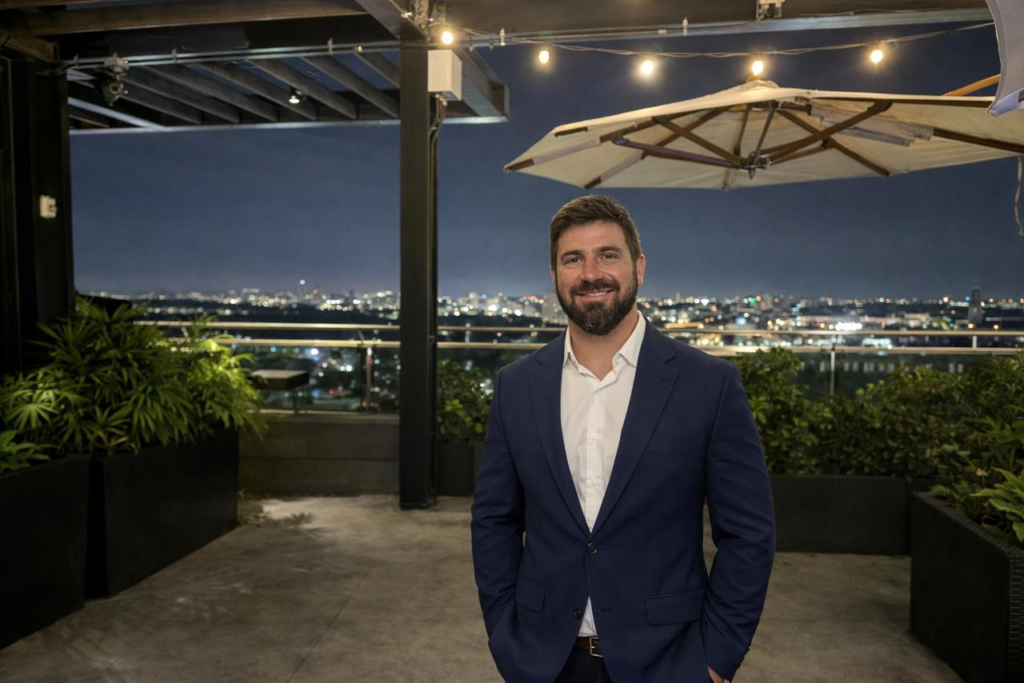
How has your background in computer engineering contributed to your work in the maritime sector?
I graduated from PUC-Campinas in 2011 with a degree in Computer Engineering, but even before that, it was clear to me that technology would be the driving force behind major societal transformations. In 2010, while still at university, I began my professional journey at a research center in Campinas, working in telecommunications.
In 2013, I was offered a software engineering role at Kongsberg, and spent the next four years working with dynamic positioning (DP) systems. During that period, I worked as a field engineer and helped develop solutions for offloading operations in Brazil, specifically for DPSTs (DP Shuttle Tankers) and for offloading spread-moored FPSOs.
After that, I worked as a DP Surveyor on shuttle tankers, where I gained hands-on onboard experience and deepened my operational understanding. In November 2023, I returned to Kongsberg, where I currently work as Senior Sales Manager. This journey has shown me that in the maritime environment, software, hardware, and operational safety are inseparable; it is not about developing conventional applications, but systems that control the position, heading, and behavior of entire vessels. That requires a much more complex technological approach.
You frequently participate in lectures and workshops with major Brazilian energy logistics companies. What is the focus of these presentations, and how important are these dialogues?
Kongsberg has close and strategic partnerships with energy companies around the globe, including here in Brazil. I’ve specialized in shuttle tankers over the course of my career and have been involved in the development of KM’s specific functionalities for Brazilian offloading operations, so I’ve been able to foster a technical relationship with key operators.
In workshops and lectures, my main focus is on demonstrating how technology can enhance operational safety, particularly in critical operations such as dynamic positioning, offloading, and system integration. I share real operational cases, data insights, and practical examples that illustrate how digital solutions, automation, and data analytics can reduce risk and support informed crew decision-making.
This dialogue is extremely valuable. It creates a two-way exchange where we not only present innovations but also gain operational feedback that helps refine our technologies to better meet the realities of offshore operations.
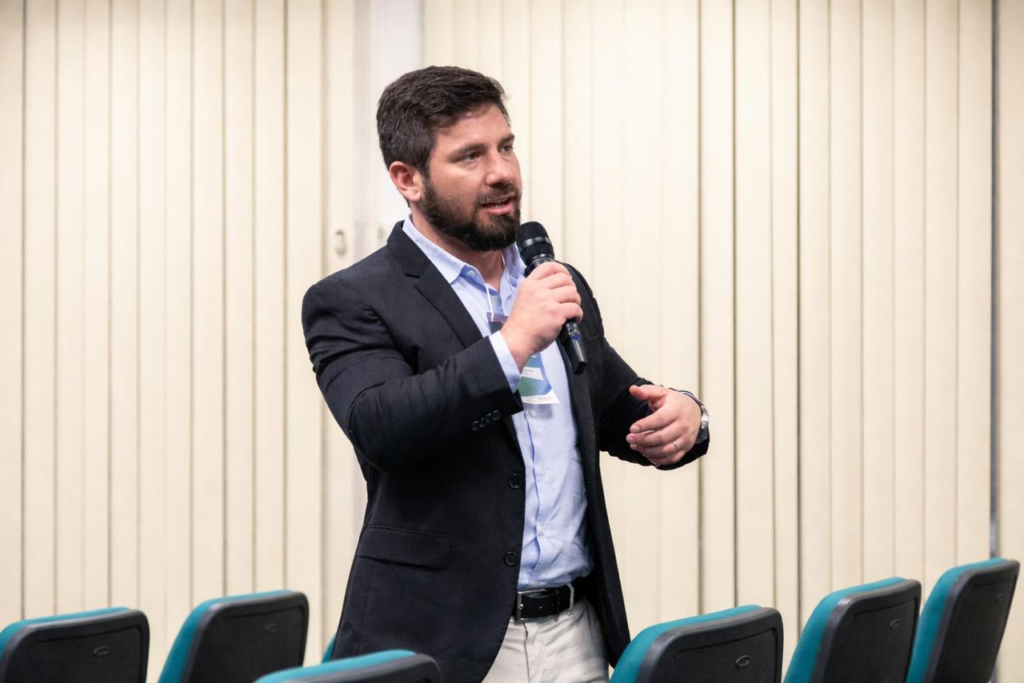
What are the industry’s main technological challenges today related to artificial intelligence and automation?
Without a doubt, the biggest challenge is regulation. Technology development is advancing rapidly- Often outpacing the frameworks needed to govern it. The pace of progress in artificial intelligence, remote navigation, and autonomous vessel operations is being tempered by the regulatory requirements, class rules, and the necessary adaptation of maritime authorities.
This is understandably a cautious process. We are dealing with highly sensitive operations involving human safety, environmental protection and high-value assets. For example, KM, has been working with remote and autonomous navigation for years, but broad adoption depends on regulatory alignment and stakeholder confidence.
At the same time, the direction of travel for the industry is clear. Automation offers tangible benefits: reduced operational risk, lower exposure to human error, improved energy efficiency, and in many cases, better quality of life for professionals. Shore-based operational centers can enable crews and operators to work remotely while maintaining safe and efficient vessel performance.
Is this regulatory challenge local or global?
It’s a global challenge, but there are regional nuances. Every country has its own rules, authorities, labor laws, and economic interests. ,These different regulatory frameworks add layers of complexity to the advancements of autonomous and remote vessel operations.
Norway, for example, is a few steps ahead. Kongsberg Maritime maintains a close working relationship with the Norwegian maritime authorities and classification societies, such as DNV. The collaboration of stakeholders helps to enable pilot projects and controlled technology testing.
Today, KM is involved in multiple remote and autonomous vessels initiatives. One of the most emblematic examples is Reach Remote 1, a 24-meter Uncrewed Surface Vessel (USV) operating along the Norwegian coast conducting subsea inspections. The vessel navigates autonomously and is remotely operated from an onshore control center. The vessel even carries a remotely operated vehicle for subsea intervention work.
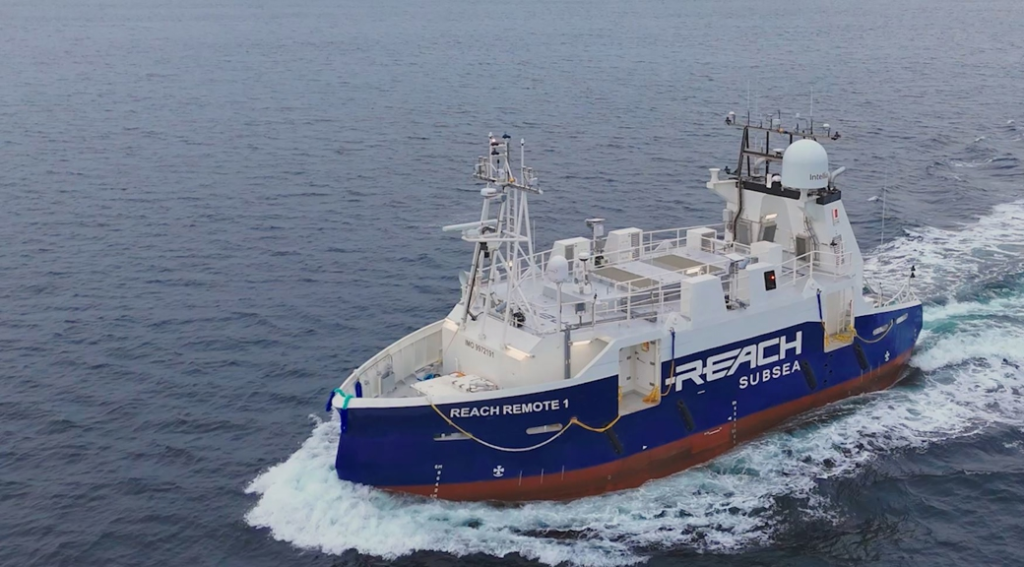
Two vessels in this series have already been delivered, and two additional units are under contract.
Beyond smaller uncrewed platforms, there are also projects underway involving larger vessels equipped with remote and autonomous capabilities. Many of these vessels still operate with onboard crews due to local regulatory requirements– , including in Norway and Sweden\- where remote and autonomous systems function as decision-support tools, strengthening operational safety and redundancy and real-time situational awareness.
Are there social factors involved in this advancement?
Absolutely. In some countries, automation is seen as a solution to an aging population and a shortage of maritime labor. In others, there are concerns about how advanced technologies impact employment opportunities.
Each region has its own variables: taxes, bureaucracy, labor legislation, and public policies. That’s why there is no one-size-fits-all solution. The technology is the same, but its implementation must consider the local context.
And how do you see this scenario in Brazil?
In Brazil, there is not yet a clearly defined regulatory framework for remote or autonomous navigation. Progress will likely come through structured pilot projects led by major industry players, as they have enough operational scale and institutional influence to move within the regulatory and maritime authorities.
There are also important partnerships in place with Brazilian universities, alongside ongoing research and feasibility studies. However, most of these initiatives remain at an early stage, but what can be said is that the technological potential is significant- even if the pathway to large-scale implementation will require time, regulatory maturations, and continued industry collaboration
Speaking of applied technology, what are Kongsberg’s main differentiators today?
One of KM’s key differentiators is our ability to collect, integrate, and interpret operational data at scale. There are vessels operating in Brazil and around the world with our Condition Monitoring System (CMS), which enables continuous real-time insight into asset performance.
The system uses sensors installed on critical equipment- such as thrusters- to monitor vibration, temperature, and other operational parameters. By combining this data acquisition capability with our deep product knowledge and engineering expertise, we can interpret performance patterns and anticipate failures before they occur.
This allows operators to move from reactive maintenance to proactive, predictive strategies- anticipating potential failures before they occur, reducing unplanned downtime and ultimately improve vessel safety, reliability, and lifecycle efficiency.
Is this directly connected to concepts such as RUL and predictive maintenance?
Exactly. The concept of Remaining Useful Life (RUL) is at the core of this strategy. Based on the collected data, we can estimate a component’s remaining lifespan and guide operational decisions with much greater accuracy.
Tell us a bit more about RUL…
RUL tool predicts the remaining useful life of azimuth thruster components through a digital model connected to the physical equipment. It uses sensors and real-time data, analyzed in the cloud, to monitor conditions and performance throughout the lifecycle.
The system supports more efficient maintenance decisions, reducing unexpected failures and operational risks. Benefits include optimized maintenance planning, better spare parts management, and extended thruster lifetime. In addition, it contributes to increased safety, sustainability, and readiness for remote operations.
This type of solution is already deployed across multiple regions worldwide and is a clear example of how well-used data generates real value for operators.
Moving to the most anticipated topic: how is artificial intelligence used today at Kongsberg?
Artificial intelligence is already embedded across multiple solutions at Kongsberg, primarily driven by the scale and quality of operational data we work with—always with shipowner authorization and strict data governance. At KM, we talk about shaping the maritime future through our commitment to continuous innovation, research and development, and sustainability. We have an extremely broad portfolio. In fact, on many vessels, we supply and integrate the majority of the onboard systems- everything short of the engines.
This allows us to have a unique, holistic view of vessel behavior. The greater the level of system integration and, the stronger the data synergy, the more accurate operational insights we can deliver to our clients.
Today, we use artificial intelligence in areas like trend analysis, alarm pattern recognition, and operational indicators. While small deviations in equipment behavior may go unnoticed in day-to-day operations, AI algorithms can detect subtle patterns that indicate emerging issues- such as, overheating risks or performance degradation- well before they become problems.
A practical example of this application?
An important example is ASOG (Activity Specific Operating Guidelines). In Brazil, this document is mandatory and defines the safe operational limits of a vessel for specific activities.
Traditionally, ASOG is a static, paper-based document that the operator must consult and interpret. By applying AI to the real-time operational data, we can transform this framework into a dynamic decision-support tool. Instead of relying solely on manual interpretations, operators receive automated, real-time guidance on whether the vessel is operating within green, yellow, or red safety zones.
This dramatically reduces the cognitive workload on the bridge while strengthening situational awareness and operational safety. It’s automation improving human decision-making.
What are the differences between IoT, AI, and data prediction?
The three concepts are closely related but operate at different layers of the digital ecosystem.
The Internet of Things (IoT) is fundamentally about connectivity. It enables onboard equipment and vessel systems to be connected and provides the ability to access, monitor, and in some cases, remotely interact with them from shore.
Data prediction builds on this connected environment. By collecting large volumes of operational data and analyzing them through advanced analytics, you can identify patterns, trends, and performance deviations. The greater the volume of data, the more accurate and reliable the predictive model becomes.
Artificial intelligence is a step further. Rather than simply analyzing data, AI systems process information autonomously- learning from patterns, generating insights, and issuing alerts or recommendations without direct human intervention. In practice, it’s the difference between having data analyzed by a team and having an intelligent system continuously learning from the data to support operational decision-making.
How do you see AI in the maritime industry over the next 5, 10, or 20 years?
Safe autonomous navigation is just the tip of the iceberg — and also among the most complex challenges we face. We already see autonomous cars on the roads, but in a maritime environment, the variables and complexity is far greater.
Even so, AI is already present in virtually all ship systems. What’s interesting is that many technologies are shared across industries: sensors used in aviation, for example, are also applied to vessels.
The potential is enormous, and we are still only at the beginning.
Do these technologies represent a threat or an opportunity for workers in the sector?
I see them as tools to add value, not as replacements for people. Many high-risk operations can — and, arguably, should — be performed remotely. In my view, remote operation is even simpler to implement than fully autonomous operation.
At the same time, it is essential for professionals to continuously enhance their skills. Regardless of education, position, or industry, the ability to embrace change and adapt to new technology is an invaluable asset.
Finally, what advice would you give to those who want to pursue a career in the technological naval sector?
The naval sector demands resilience. It’s hardly ever an easy environment, especially onboard. But it is an extremely open market for those who are willing to learn. I joined without deep knowledge of dynamic positioning systems, and Kongsberg invested in my training and supported my development. What I have learned is that showing interest, staying curious, and being open to evolve makes all the difference.
Thank you very much, Leal! It was a truly enriching conversation for all of us.
This article was produced by Westhon Media for One Energy News.