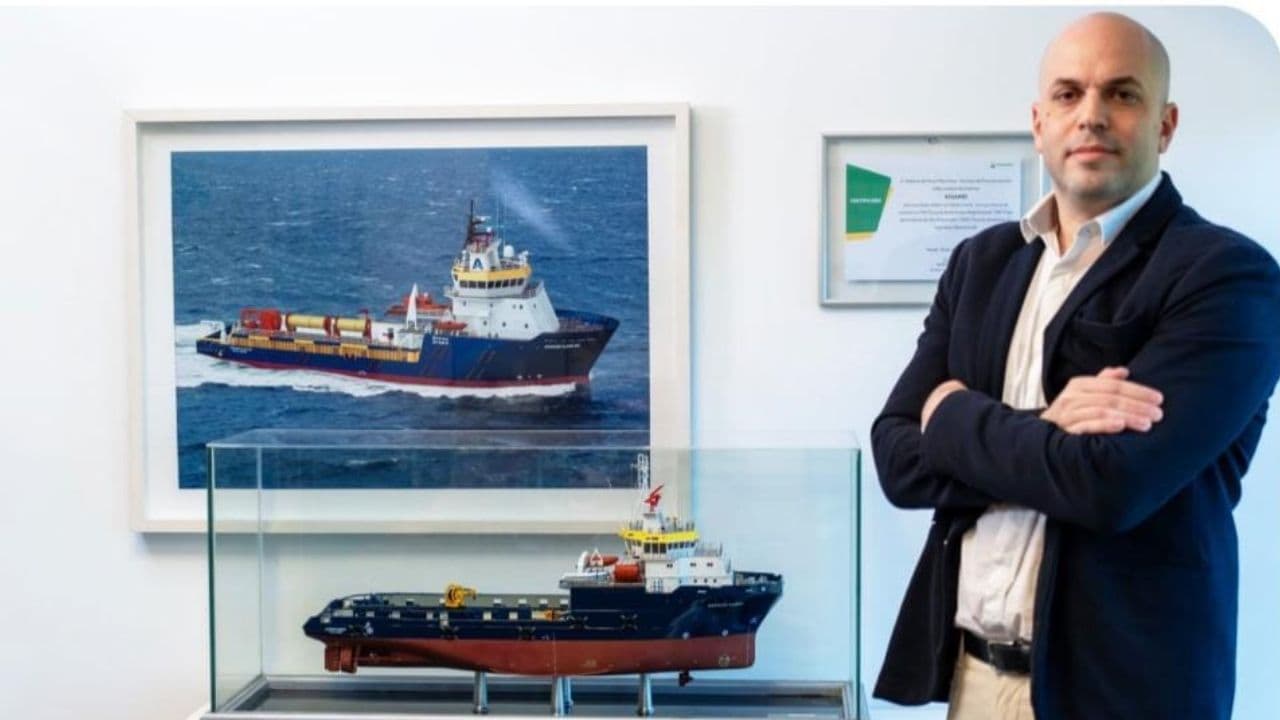
Energy talks – Fredric Fuerth
Also available in Portuguese
I was born in Rio de Janeiro and spent part of my life in Goiás, where I initially studied electrical engineering. Later, I returned to Rio to pursue mechanical engineering at IME (Instituto Militar de Engenharia). During my studies, I explored opportunities in consulting, banking, and private equity, which equipped me with financial and management skills that have been invaluable in my career. I eventually transitioned to oil and gas, drawn by the sector’s potential, and have been in the industry for 15 years now.Read in Portuguese →In this edition of Energy Talks, we are pleased to speak with Fredric Fuerth, CEO of Asgaard Bourbon. In addition to leading the company, he also serves as Vice-President of ABEAM (Brazilian Association of Maritime Support Companies) and Syndarma (National Union of Maritime Navigation Companies).
Drawing on his vast experience, Fredric shares his insights on the energy market, emphasizing the importance of analysis, reflection, and transition during these dynamic times.
Fred, you accepted our interview request with enthusiasm, and we noticed your eagerness to share something meaningful. What makes this moment so special?
Brazil is experiencing significant growth in its supply chain, particularly in the maritime sector, and it’s critical for suppliers to have a voice. While there’s considerable anticipation about increased oil production, there’s often insufficient focus on the practical pathways to achieve it. Shipowners need platforms to express their perspectives, and I am grateful to WSB Magazine for providing this opportunity. It’s an honor for Asgaard Bourbon to contribute to this important dialogue.
With this growing demand in Brazil, what are the key areas of focus? How do you see this unfolding?
Several key areas stand out: new technologies, fleet availability, and the energy matrix. The biggest challenge in Brazil is ensuring asset availability. Most of the local fleet is already employed due to high operator demand, creating an urgent need for additional capacity. This can be addressed through new vessel construction or partnerships with global vessel owners. For shipowners willing to take risks, Brazil offers a lucrative market.
The market’s heightened sensitivity also opens the door to discussions about newbuild OSVs and other innovative solutions. Companies like Petrobras play a pivotal role in setting industry standards. Ultimately, the most effective solutions will balance technical demands with the willingness of suppliers to adapt.
The global competition extends beyond geographical boundaries to include areas like ESG impacts. Increasingly, shipowners are evaluating not just the immediate returns of a project but also the broader implications, such as whether to allocate assets to offshore wind projects instead of oil and gas. These considerations will significantly influence the market and have direct implications for Brazil.
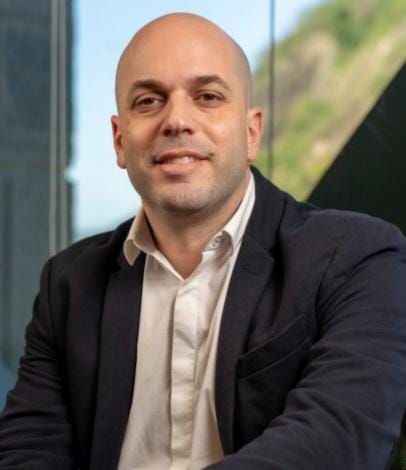
Let’s discuss ANTAQ, circularization, and blocks. What trends are you observing, and how do you assess the current scenario?
The primary challenge is meeting demand with a finite Brazilian fleet. Considering the four to five years typically required to deliver new vessels post-bid, temporary reliance on foreign or REB-registered vessels might be necessary. I anticipate a reduction in circularization and blocking practices due to the limited availability of Brazilian-flagged vessels, without diminishing the appetite for national flags.
You mentioned the energy matrix as a critical focus. Could you elaborate on this?
Brazil’s energy matrix is somewhat detached from global trends. While countries in Europe and North America are tackling heavy carbon footprints and prioritizing environmental projects, Brazil’s hydroelectric-dominated energy mix doesn’t generate the same urgency. This delayed prioritization could leave us at a disadvantage when the demand for greener solutions, like offshore wind support vessels, intensifies. Early adopters of these solutions stand to gain a competitive edge in future markets.
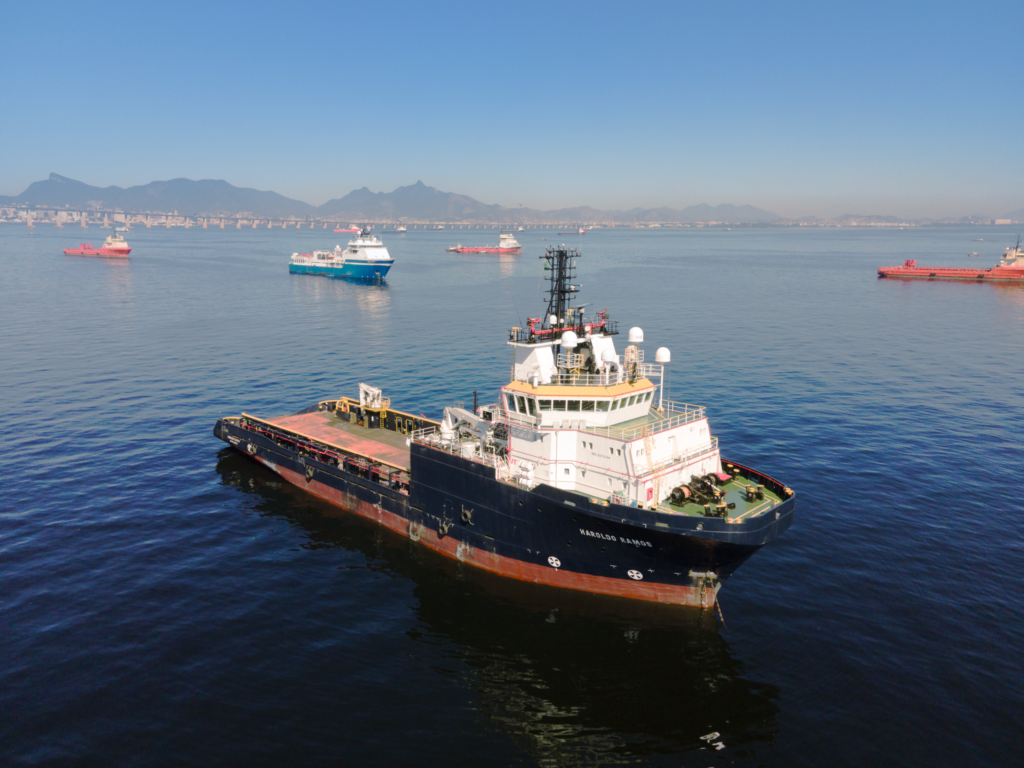
How is Asgaard Bourbon positioning itself in this evolving landscape? What steps are you taking to differentiate?
As a group, we prioritize ESG considerations and strive to integrate these principles into our strategies. Brazil’s oil and gas industry must align with national environmental goals, moving beyond simplistic debates about whether the industry is “dirty” or not.
Our focus is on the carbon cycle as a whole. For instance, emissions are just the starting point; technologies that reduce or capture carbon, like Petrobras’ CO2 injection methods, represent the future. Developing alternatives that minimize environmental impact and achieve “net zero” goals is critical. The oil and gas sector must evolve as a source of technological innovation rather than being labeled a villain akin to the tobacco industry.
Energy transition is a gradual process. A balanced approach, such as capturing over 90% of CO2 emissions rather than halving emissions without capturing any, will yield lasting benefits. At Asgaard Bourbon, we are committed to turning ESG principles into actionable results.
You mentioned other companies making strides in the energy transition. Can you share some examples?
Several major players have rebranded and shifted focus to reflect the evolving energy landscape. Statoil became Equinor, emphasizing balance and equity. Total added “Energies” to its name, and Shell and BP have undertaken impactful renewable projects. These shifts signify a broader understanding that these companies are energy providers, not just oil operators. Such transformations challenge others to reevaluate their roles and align with changing global expectations.
What advice would you give to young professionals aspiring to join the energy sector?
The industry has shifted focus from oil and gas to energy as a whole, making adaptability crucial. While technical expertise remains vital, professionals who stand out will be those with diverse skills and flexibility. My advice is simple: be prepared. The rapid pace of technological advancements means that evolution is no longer on the horizon—it’s already here. Embrace it and position yourself to thrive in the unknown realities of the future.
Can you share a bit about your background and journey into the offshore industry?
This article was produced by Westhon Media for One Energy News.