Marina I: crew employment is part of vessel selection
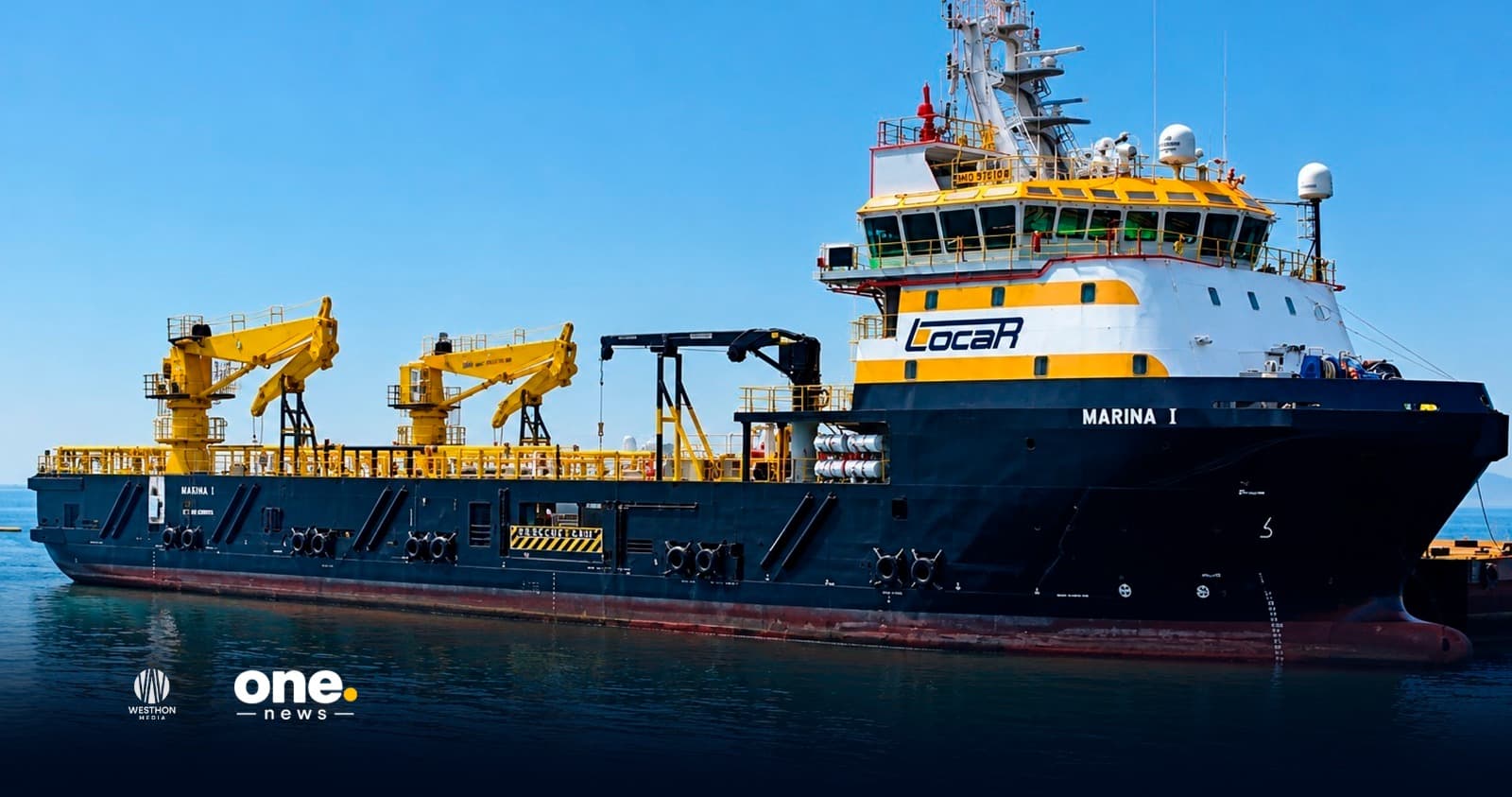
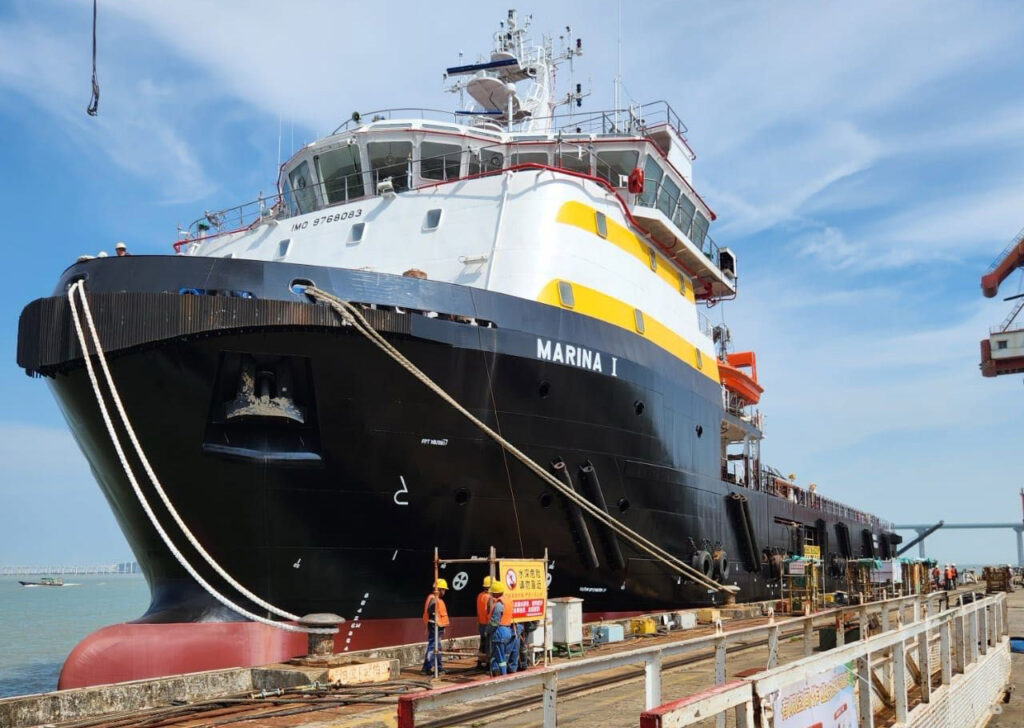
AIS data now places Marina I in Guanabara Bay following her mobilisation for offshore support duties under an Arendal/HOC charter connected to the VMOS consortium in Argentina.
CONTTMAF links the vessel’s return to intervention by Brazilian maritime unions over alleged irregular recruitment through COOPERPORTOMAR. The federation says it raised the case with the International Transport Workers’ Federation and Argentine maritime representatives after the vessel departed Brazil approximately two weeks earlier.
The cooperative was already under scrutiny. CONTTMAF cited a Labour Court judgment finding that COOPERPORTOMAR had intermediated employment relationships while formally presenting workers as cooperative members. Sindmar had also reported an investigation into Locar’s recruitment through the organisation in July 2025.
A previous case involved Superpesa and Bremen Hunter. In November 2024, Sindmar reported that labour prosecutors had required approximately R$500,000 in termination payments for crew recruited through COOPERPORTOMAR. The Uruguayan-flagged tug was chartered by Superpesa for a Petrobras contract.
Alexandre Vilela recently addressed the wider debate in “Maritime employment in Brazil requires effective protection”, connecting maritime expansion with the conditions offered to those working aboard vessels.
Bill 5,411/2026, introduced by Congresswoman Jandira Feghali, expressly seeks to prevent competition on cost from weakening maritime working conditions. It proposes authorisation and financial guarantees for recruitment agencies and a 120-day ceiling for continuous service before entitlement to disembarkation or repatriation. The proposal has not become law.
These concerns also featured on the programme of the ILO’s 2026 Maritime Labour Convention Global Forum, shared through Sindmar’s LinkedIn coverage, with discussions on enforcement, social security and effective protection for seafarers.
With Marina I back in Guanabara Bay, attention extends to the basis on which she was selected for the Argentine assignment. Crew employment arrangements are intrinsic to a vessel’s suitability for charter, alongside technical capability, availability and price. How those arrangements were assessed forms part of the commercial story behind this mobilisation
This article was produced by Westhon Media for One Energy News.